
Top Ten Most Impressive Engineering Feats from the Past 50 Years

Minitab

false

For over fifty years, Minitab has empowered engineers to tackle their most complex challenges, optimize essential processes, and realize innovations that were once deemed impossible. This half-century of progress has seen engineers continually reimagining the boundaries of the feasible.


Top Ten Engineering Introduction

From optimizing production floors to modeling complex systems, Minitab equips engineers with the data-driven insights necessary to build the future. When bold ambition is paired with rigorous engineering (and supported by the right solutions), the results are transformative.

These milestones stand as a testament to what is possible when we dream big.
1

Large Hadron Collider (LHC)

Beneath the border of Switzerland and France lies a 27-kilometer ring where particles collide at nearly the speed of light. The LHC required superconducting magnets cooled to near absolute zero, ultra-precise alignment, and data systems capable of analyzing billions of collisions per second.

It’s not just an experiment. It’s one of the greatest machines ever built to explore the fabric of reality.

Innovation at Scale

When experimentation is costly and uncertainty is high, organizations use DOE within Minitab Statistical Software to learn efficiently before scaling investment. Read more

2

The International Space Station (ISS)

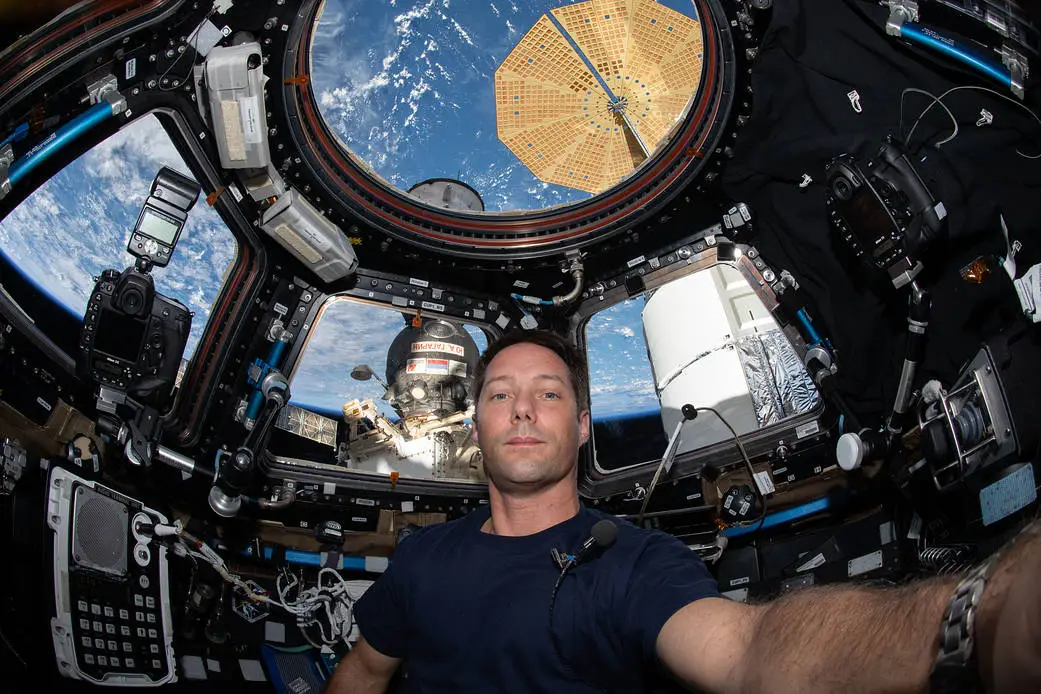
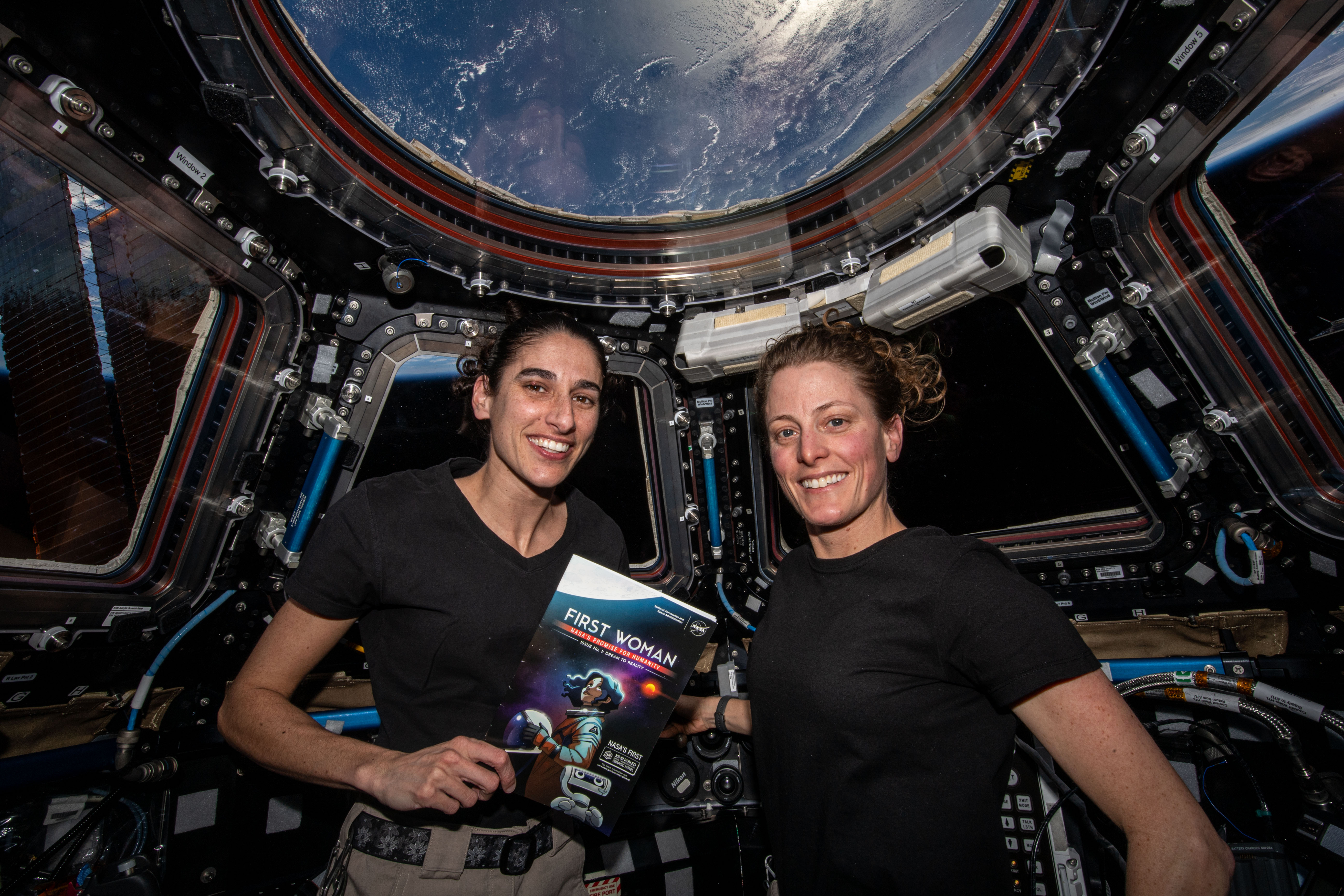
Assembled in orbit from modules launched by different nations, the ISS is a testament to both engineering and diplomacy. It has been continuously inhabited for more than 20 years, enduring extreme radiation, microgravity, and temperature swings from -250°C to +250°C.

Engineers had to solve challenges in docking, life support, and maintenance without a blueprint for building in space.

The International Space Station (ISS)

3

Global Positioning System (GPS)

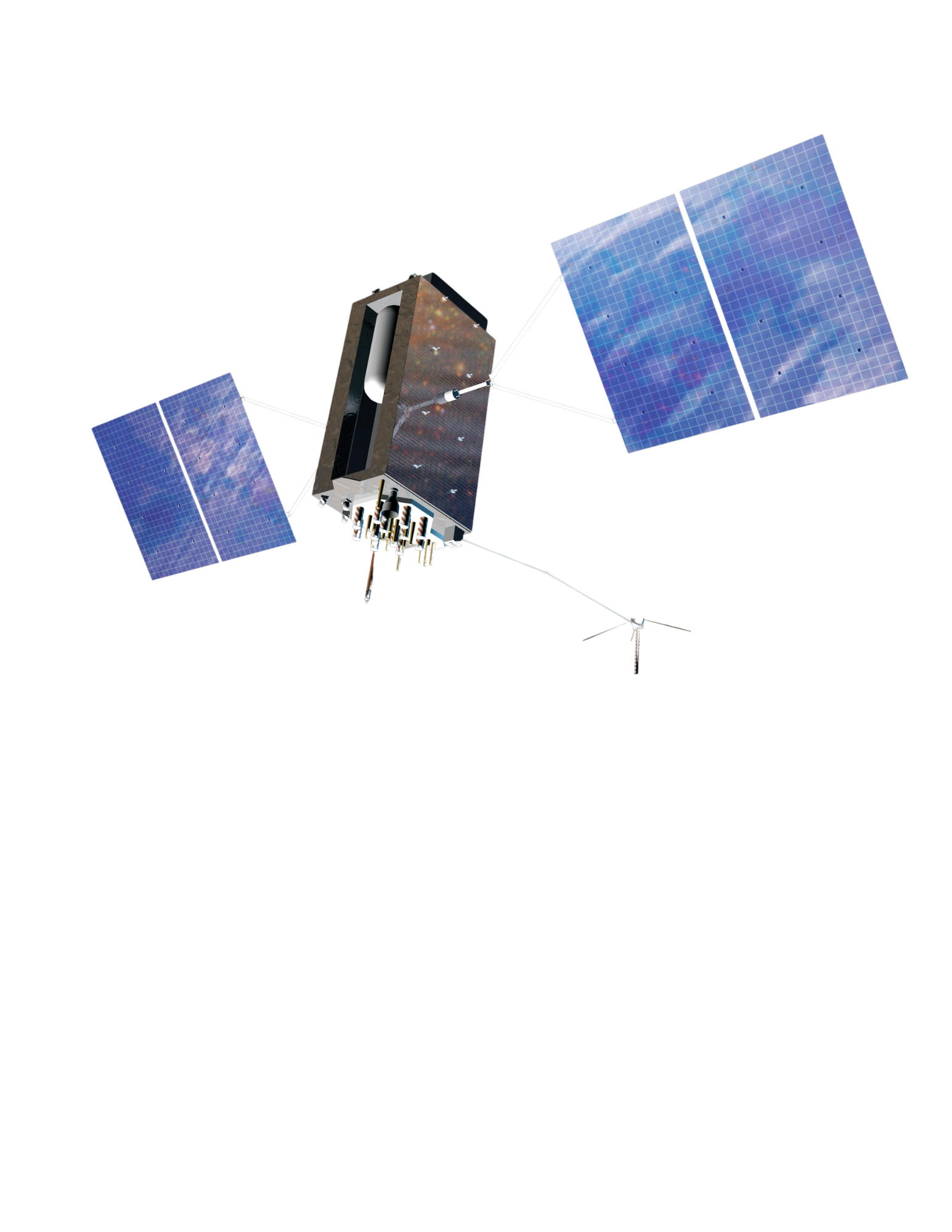
What began as a Cold War military project now guides billions of devices worldwide. The challenge? Maintaining a constellation of satellites that must account for relativity, atmospheric interference, and nanosecond precision. Engineers created a system so accurate and reliable that it became the backbone of modern navigation, logistics, and timing.

Global Positioning System (GPS)
Solving Challenges

Read the blog to discover how Minitab's Analytics have helped solve government challenges.

4

Millau Viaduct (France)

Soaring gracefully over the Tarn Valley, the Millau Viaduct is taller than the Eiffel Tower and stretches nearly 2.5 kilometers. Engineers battled extreme winds, massive loads, and the challenge of building across a deep gorge. The result is a bridge that’s both functional and breathtaking, proof that engineering can be art.

5

Three Gorges Dam (China)


The world’s largest hydroelectric dam reshaped the Yangtze River, generating power for millions of homes.

But it came with immense challenges: relocating 1.3 million people, controlling sediment and flooding, and designing a structure that could withstand the planet’s most powerful river.

It remains one of the most ambitious (and debated) engineering projects in history.

Regression Models

Minitab Statistical Software makes it easier than ever to perform regression analysis. Learn more

6

Grand Ethiopian Renaissance Dam (GERD)

Africa’s largest dam, GERD, is a symbol of energy independence and regional transformation. Engineers faced challenges in managing the Nile’s flow, ensuring structural stability, and balancing competing political pressures. With its completion, Ethiopia will generate massive renewable energy, reshaping the continent’s infrastructure future.

Optimizing Energy

Learn how to optimize energy consumption with data analysis and real-time insights. Download now

7

Channel Tunnel "Chunnel"

The undersea rail link between the United Kingdom and France fused tunneling precision, marine geology, logistics, and safety systems into one of the most demanding infrastructure projects in Europe.

Teaching Methods

Join Doug Fair, Principal Statistician and Manufacturing expert, for an insightful introduction to Statistical Process Control (SPC). Register for webinar now

8

Advanced Prosthetics and Mind-Controlled Limbs

Biomedical engineers have pushed beyond mechanical replacements to create prosthetics that respond to neural signals. Challenges included decoding nerve impulses, designing lightweight but strong materials, and integrating robotics with biology. These devices are restoring mobility, and in some cases, granting abilities beyond natural limits.

9

International Thermonuclear Experimentation Reactor (ITER)

Currently under construction in France, ITER aims to recreate the power of the sun on Earth through nuclear fusion. Engineers are grappling with extreme heat, plasma confinement, and materials that can survive unimaginable stress. If successful, ITER could unlock virtually limitless clean energy, one of humanity’s boldest bets on the future.

Accelerated Life Testing

To ensure that your results are valid, consider these following guidelines when you collect data, perform the analysis, and interpret your results.

10

Global Communications Infrastructure

From undersea fiber-optic cables to satellite constellations and mega-data centers, engineers have built the invisible backbone of modern civilization. The challenges? Redundancy across oceans, power-hungry data storage, cybersecurity, and scaling to billions of users. This vast network quietly supports everything from streaming to banking to telemedicine.

Minitab Connect

See how much time and money you can save on Quality Improvement projects with Minitab Connect. View Savings Calculator

See how engineers use Minitab to build what matters faster.

We Speak Engineer

You're solving problems the world never sees.
At Minitab, we see you.

Learn More

The Next Engineering Feat Could Be Yours

Explore our free sessions on data analysis, quality improvement, and operational excellence to see how modern teams are building better every day.